A pothole is more than a surface blemish. It can deepen as water enters the pavement and vehicles loosen the surrounding material. The right repair depends on the pothole’s size, the condition of the road around it and whether the underlying base has weakened. For property owners and road managers in Goondiwindi, QLD, identifying the cause helps ensure the repair addresses more than the visible hole.
Choosing the right pothole repair
There is no single repair method that suits every pothole. A small, isolated defect in an otherwise sound road may need a localised repair. Widespread potholes, recurring damage or movement across a larger area may point to problems with the pavement structure or drainage, requiring more extensive work.
A professional assessment can establish whether the damage is limited to the surface or extends into the base beneath it.
Why potholes develop
Potholes often form when water enters cracks or weak points in the road. Traffic places repeated pressure on the softened pavement, causing material to break away. Poor drainage, an ageing surface and an unstable base can also contribute.
If the cause remains, a patch may loosen or fail again. That is why repair planning should consider nearby cracks, water flow and the condition of the surrounding pavement.
What a lasting repair may involve
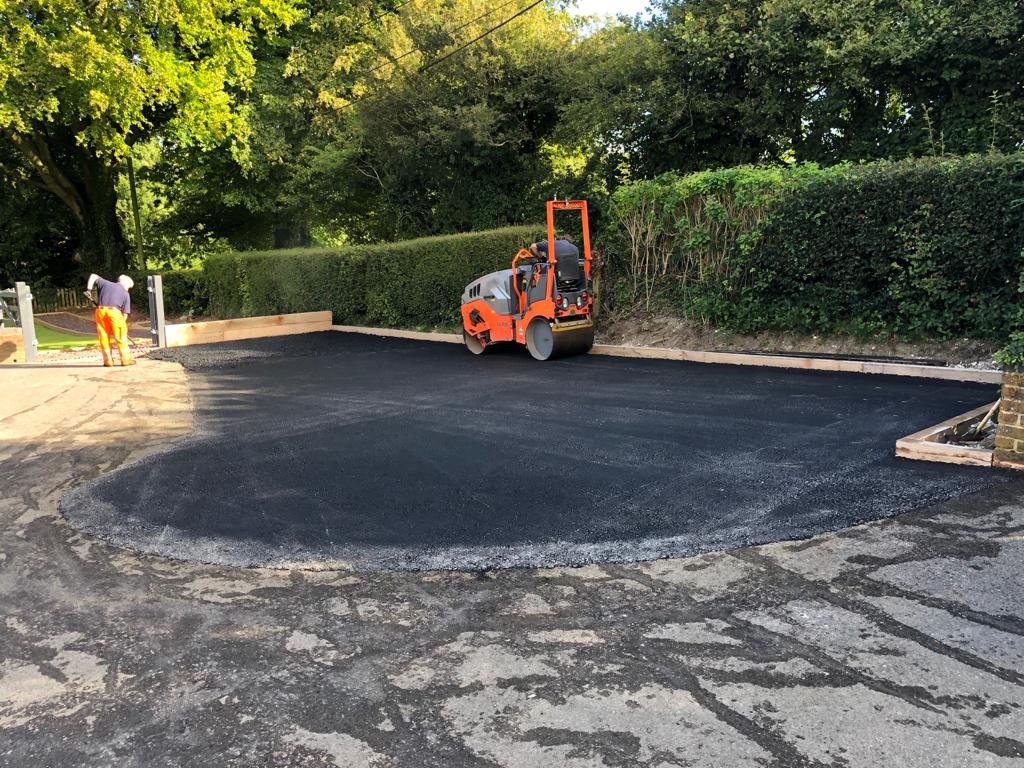
For a localised pothole, the damaged area is generally prepared before new material is placed. Depending on the defect, this may involve removing loose or weakened material, preparing the edges, addressing the base and placing and compacting suitable asphalt.
The repair needs to bond with the surrounding surface and sit at an appropriate level. Simply filling a hole without proper preparation can leave weak edges or allow water to enter around the patch.
When a larger repair may be more suitable
Repeated potholes or damage across a broad section can indicate that local patches will not resolve the underlying issue. The road may need several areas repaired, drainage improvements or resurfacing once weak sections have been addressed.
A site assessment helps determine the practical scope of work. It can also identify whether the existing road is suitable for resurfacing or whether more substantial preparation is needed first.
Conclusion
The best pothole repair for a damaged road depends on the extent of the surface damage and the condition of the pavement beneath it. A properly prepared local repair may suit an isolated pothole, while recurring or widespread defects may need broader work. Goondiwindi Asphalt & Bitumen Surfacing can assess the damaged area and discuss suitable asphalt or bitumen repairs for your road in Goondiwindi, QLD.
Call us on: 07 5230 8325
Click here to find out more about Goondiwindi Asphalt & Bitumen Surfacing
Click here to complete our contact form and see how we can help with your Asphalt and Bitumen Surfacing needs.